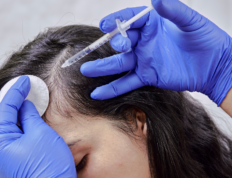
Hair and scalp problems can develop slowly, often going unnoticed until the symptoms become difficult to manage. While occasional shedding or mild irritation may not cause alarm, there are times when these issues point to an underlying condition that needs professional attention. A trichologist is a specialist who focuses on hair and scalp health, helping people identify the cause of hair loss, thinning, or damage and recommend effective treatment plans. Recognising when to book an appointment can make all the difference in restoring confidence and maintaining healthy hair.
Understanding What a Trichologist Does
A trichologist deals with conditions related to the scalp and hair, much like how a dermatologist focuses on skin health. They examine hair structure, scalp condition, and possible internal factors that could be affecting hair growth. Their goal is to identify the root cause of problems such as thinning, excessive shedding, or inflammation, rather than only treating the visible symptoms.
Many people turn to trichologists after trying countless shampoos or home remedies without success. These specialists use diagnostic tools like scalp analysis and hair density checks to find the source of the issue. From there, they can create a personalised plan that may include treatments like hair restoration, nutritional advice, or scalp therapies. Seeing a trichologist early helps prevent minor issues from turning into long-term damage.
Early Signs of Hair Thinning You Shouldn’t Ignore
It’s natural to lose some hair each day, but consistent thinning or noticeable volume loss can be a warning sign. Early hair thinning often appears along the crown or the parting line, where the scalp becomes more visible. Some people may find that their ponytail feels thinner or that their hair takes longer to grow back after a trim.
Ignoring these early signs can make recovery harder later. Trichologists can detect thinning at its initial stages and suggest treatments like PRP therapy or scalp treatments to stimulate growth. Catching thinning early helps to preserve existing follicles and slow further loss.
When Hair Shedding Becomes More Than Normal
It’s normal to shed around 50 to 100 strands of hair daily, but losing more than that can be concerning. Excessive shedding often occurs after stress, illness, childbirth, or hormonal changes. Sometimes, it can also be linked to nutritional deficiencies or autoimmune conditions that affect the scalp.
If you notice clumps of hair on your pillow, in the shower, or when brushing, it may be time to seek help. A trichologist can assess whether the shedding is temporary or part of a larger issue, such as telogen effluvium or another scalp disorder. With proper diagnosis, treatments can help stabilise hair fall and encourage regrowth.
Persistent Itching or Flaking on the Scalp
A dry or itchy scalp may seem harmless at first, but persistent irritation can point to conditions like seborrhoeic dermatitis, psoriasis, or fungal infections. When scratching becomes constant or flakes are large and visible, professional advice is needed.
A scalp treatment from a trichologist can target the underlying cause instead of masking the problem with over-the-counter shampoos. They often recommend a blend of medicated products and professional treatments that restore balance to the scalp. Addressing the issue early can prevent hair follicles from becoming damaged or clogged, reducing the risk of future hair loss.
Sudden Changes in Hair Texture or Growth Patterns
Hair that was once smooth becoming rough or brittle can be an indicator of internal imbalance. Hormonal changes, stress, and nutritional issues can all affect how hair grows and feels. Similarly, hair that stops growing as it used to might be a sign that follicles are becoming weak or inactive.
A trichologist can evaluate these changes through microscopic analysis and scalp assessment. They may recommend treatments like hair rejuvenation therapy to strengthen weakened strands. Regular follow-ups can help track progress and adjust treatment plans based on how your hair responds.
Hair Breakage That Keeps Getting Worse
Breakage is one of the most common hair concerns and can happen due to excessive styling, chemical treatments, or poor maintenance. When hair breaks easily or feels dry and lifeless, it often indicates a loss of strength within the strand.
Professional advice from a trichologist can help identify whether the breakage is surface-level or due to deeper structural problems. Treatments such as mesotherapy for hair or deep-conditioning therapies can rebuild strength and improve texture over time. With proper care, breakage can be reduced, allowing the hair to regain its natural shine and resilience.
Unexplained Bald Patches or Thinning Areas
Bald patches can appear suddenly and are often caused by conditions like alopecia areata or traction alopecia from tight hairstyles. While these patches may seem small at first, they can spread without treatment. It’s important not to ignore these signs or attempt self-treatment.
A trichologist will examine the affected area to determine whether hair can regrow naturally or if it requires medical support. Treatments may include hair transplants or stimulation therapies depending on the extent of the loss. Acting quickly increases the chance of successful regrowth and prevents further scalp damage.
Scalp Sensitivity, Redness, or Pain
A healthy scalp should not feel sore or tender. Pain, redness, or inflammation can signal infection, allergic reaction, or inflammation around the follicles. These symptoms are often overlooked until they cause visible thinning or patches of hair loss.
Consulting a trichologist ensures that the root cause is treated safely. They might perform a scalp analysis to identify irritation triggers such as product build-up, allergies, or skin conditions. Early intervention helps calm inflammation and restore balance, preventing long-term damage to hair follicles.
When Home Remedies and Over-the-Counter Products Stop Working
Many people first try to fix hair or scalp issues using store-bought treatments. While some may help with mild symptoms, they rarely solve chronic problems. If you’ve used several products without improvement, it’s likely the issue goes deeper than what surface treatments can reach.
A trichologist can identify the precise cause and recommend clinical treatments tailored to your scalp type. These may include laser therapy, PRP sessions, or medical-grade hair serums. Seeking professional help prevents further irritation from using the wrong products and helps restore hair health safely.
Hair Loss Linked to Stress, Illness, or Hormonal Changes
Hair often reflects the body’s internal health. Stress, hormonal shifts, thyroid disorders, or medication can all lead to visible hair loss. Conditions like androgenetic alopecia or postpartum hair loss are common examples of how internal factors influence growth cycles.
A trichologist can work alongside other medical professionals to identify whether your hair loss is temporary or part of a long-term condition. They may recommend a combination of treatments such as PRP therapy and nutritional support to help hair recover. Managing stress and maintaining a healthy lifestyle can also make a significant difference in preventing further loss.
Getting a Proper Diagnosis Before Starting Treatment
One of the biggest mistakes people make is starting treatment without understanding what’s causing the problem. Self-diagnosis can lead to using the wrong products, which might make the issue worse. A trichologist provides a thorough evaluation and medical history check before suggesting any solution.
By examining the scalp under magnification and analysing shedding patterns, they can pinpoint whether the condition is hereditary, hormonal, or environmental. With a clear diagnosis, treatment options such as hair transplants, PRP therapy, or scalp care routines can be customised effectively. This ensures long-lasting results and prevents unnecessary expenses on unhelpful treatments.
How a Trichologist Can Help You Regain Healthy Hair
Visiting a trichologist is a step toward reclaiming your confidence and taking control of your hair health. Whether it’s treating scalp irritation, managing thinning, or addressing hair loss, trichologists offer solutions backed by science and experience. They not only diagnose the problem but also provide guidance on lifestyle, nutrition, and maintenance to support lasting results.
Hair recovery takes time and consistency, but professional care makes the process smoother and more effective. With the right combination of medical treatments and regular scalp care, patients often notice stronger, fuller, and healthier hair over time. It’s never too early to seek help—early intervention gives you the best chance of restoring balance and preventing permanent damage.