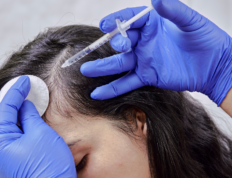
Losing hair is a deeply personal experience, and knowing who to turn to for help is not always straightforward. Two professionals regularly come up in conversations about hair loss: dermatologists and trichologists. Both can play a meaningful role in diagnosing and addressing hair thinning, but their training, approach, and scope of practice differ significantly. Understanding those differences is the first step toward getting the right treatment for your specific condition, whether you are dealing with genetic hair loss, a scalp disorder, nutritional deficiency, or something in between.

What Does a Dermatologist Actually Do?
A dermatologist is a medically qualified doctor who specialises in conditions affecting the skin, hair, and nails. After completing a full medical degree, they undergo several years of postgraduate specialist training in dermatology, which means they are licensed to diagnose and treat medical conditions, prescribe medication, perform biopsies, and carry out surgical procedures. Their scope is broad, covering everything from eczema and psoriasis to melanoma and hair loss.
When it comes to hair and scalp conditions with a clear medical origin, dermatologists are particularly well positioned to investigate and treat. Autoimmune conditions such as alopecia areata, for instance, require clinical diagnosis and a structured treatment plan that may include corticosteroid injections or immunosuppressive therapy. Because dermatologists work within the healthcare system, they can also refer patients for blood tests, hormonal panels, and specialist consultations that extend beyond their immediate scope.
It is worth noting that while a dermatologist is an excellent choice for conditions with a clear medical basis, the time allocated to each appointment in a clinical setting is often limited. A thorough understanding of lifestyle factors, nutritional status, and the emotional dimensions of hair loss may require more time than a standard dermatology consultation allows, which is why many patients find value in seeking additional support from a trichologist.
What Does a Trichologist Specialise In?
A trichologist is a specialist focused exclusively on the health of the hair and scalp. While trichologists are not medical doctors, many complete rigorous training through recognised institutions and spend considerably more time studying hair loss in depth than most general practitioners do. Their knowledge base covers the biology of the hair follicle, scalp physiology, nutritional influences on hair growth, and the psychological dimensions of hair thinning.
Trichologists are especially skilled at identifying patterns of hair loss that may not yet be obvious in a clinical medical setting. They take detailed lifestyle and dietary histories, assess the quality of existing hair strands using trichoscopy, and recommend non-medical interventions such as scalp treatments, targeted supplementation, and topical therapies. For anyone experiencing gradual changes in hair density or quality, a trichologist offers a depth of focus that is hard to match in a general medical setting.
The trichologist’s approach is fundamentally investigative. Rather than waiting for a condition to reach a clinical threshold, they often identify contributing factors early, allowing for intervention before significant follicle damage occurs. This proactive stance can make a real difference to long-term hair health, particularly for people whose hair loss does not have a single, clearly identifiable cause.
How Their Training and Qualifications Differ
The distinction in training between dermatologists and trichologists is significant and worth understanding before deciding who to see. Dermatologists complete a full medical degree followed by a specialist residency, a process that typically takes more than a decade in total. This gives them the authority to prescribe medication, perform surgical procedures, and operate within the formal healthcare system.
Trichologists dedicate their entire training to the study of the hair and scalp. Programmes vary in length and rigour depending on the institution, and in South Africa as in many countries, the title is not yet regulated in the same way medical qualifications are. It is therefore important to look for practitioners who hold accredited qualifications from recognised professional bodies. A credible trichologist will be transparent about their training background and comfortable collaborating with a dermatologist when the situation requires it.
Conditions a Dermatologist Treats That Affect the Hair
Certain hair loss conditions sit firmly within a dermatologist’s clinical remit. Androgenetic alopecia, the most common form of hair loss in both men and women, has a strong genetic component and may respond well to prescription medications such as finasteride or higher-concentration minoxidil. Dermatologists can also perform scalp biopsies to examine follicle health at a cellular level, which is invaluable when the cause of hair loss is unclear or not responding to initial treatment.
Scarring alopecias, including lichen planopilaris and frontal fibrosing alopecia, involve progressive inflammation that permanently destroys hair follicles if left untreated. These conditions require prompt medical management to prevent irreversible loss. Similarly, conditions such as tinea capitis, a fungal scalp infection, or severe seborrhoeic dermatitis that is not responding to over-the-counter products will need prescription-strength treatments that only a medically qualified doctor can provide.
Hormonal hair loss, particularly in women, also falls squarely within the dermatologist’s scope. Conditions such as polycystic ovary syndrome or thyroid dysfunction can trigger significant hair shedding, and a dermatologist will typically order the blood work needed to identify these causes and coordinate with other specialists as appropriate.
When Trichology Is the Better First Step
For many people, hair loss is not driven by a single medical condition but by a combination of factors including chronic stress, hormonal fluctuations, poor nutrition, and inadequate scalp care. In these situations, a trichologist’s holistic and investigative approach can be more immediately useful than a brief appointment in a busy medical clinic. Trichologists typically spend considerably more time with each patient, building a comprehensive picture of their hair and scalp health over time.
People experiencing diffuse shedding, hair breakage, or changes in hair texture rather than outright baldness often benefit greatly from trichological assessment. These presentations do not always fit neatly into medical diagnostic categories, but a skilled trichologist can identify contributing factors, recommend targeted treatments, and monitor progress carefully over subsequent appointments. For those who prefer a collaborative and lifestyle-informed approach to their hair health, trichology is often the better starting point.
It is also worth considering that a trichologist can be an excellent ongoing partner even after a medical diagnosis has been made. Once a dermatologist has identified and treated the underlying condition, Hair Clinic International offers specialist support to help patients recover, optimise scalp health, and maintain the kind of detailed monitoring that catches any regression early.
Diagnosing Hair Loss: Different Tools, Different Lenses
When a dermatologist assesses hair loss, they typically rely on clinical examination, patient history, blood tests, and in some cases dermoscopy or a scalp biopsy. Their diagnostic framework is built around identifying whether a condition is present that requires medical intervention. This is efficient and thorough for conditions that sit within a medical framework, but it can miss subtler patterns that do not yet meet the threshold for a formal diagnosis.
Trichologists use trichoscopy, pull tests, and detailed hair mapping to assess the distribution and density of loss across the scalp. Microscopic analysis of shed hairs can also reveal follicular health at a granular level, providing information that standard medical tests would not capture. This approach is particularly valuable for people who instinctively know something is wrong but have been told their blood work is normal and their hair loss is simply stress-related. A trichologist is trained to investigate further and offer actionable recommendations even in the absence of a clear medical label.
Medical Versus Holistic Treatment Approaches
Dermatologists treat hair loss primarily through prescription medication, injectable treatments such as corticosteroid injections for alopecia areata, and surgical options like hair transplant surgery. Their treatments tend to be targeted and evidence-based, which makes them highly effective for conditions where the underlying cause is well understood and a clinical intervention is warranted.
Trichologists focus on optimising the conditions for healthy hair growth through scalp treatments, dietary guidance, and targeted supplementation. They may also recommend PRP therapy and other non-surgical interventions, often working in partnership with a medical practitioner to achieve the best possible outcome. These two approaches are not mutually exclusive. Some of the best results for people experiencing hair loss in South Africa come from combining medical management with trichological support, addressing both the clinical cause and the contributing lifestyle factors at the same time.
The Connection Between Scalp Health and Hair Loss
One area where trichologists consistently add value is their detailed focus on scalp health. Many people are unaware that a compromised scalp environment, whether through excess sebum, chronic inflammation, product build-up, or poor circulation, can significantly impair hair growth even without a formal medical condition as the primary driver. A trichologist will assess the scalp in detail and recommend treatments designed to restore a healthy environment in which the follicles can thrive.
Dermatologists are well equipped to address scalp conditions that reach a clinical threshold, such as moderate-to-severe psoriasis or contact dermatitis. However, sub-clinical scalp issues that fall short of a diagnosable condition can still meaningfully affect hair density and quality over time. This is where regular trichological care can make a real and lasting difference, particularly for people who have noticed a gradual decline in hair quality without a clear medical explanation behind it.
How to Choose the Right Specialist for Your Situation
The decision of who to see first comes down to the nature and severity of your hair loss. If you have experienced sudden or significant shedding, patchy baldness, scalp pain, or inflammation, or if you suspect an underlying medical condition is involved, a dermatologist should be your first contact. Medical causes need to be ruled out before a non-medical treatment plan can be confidently pursued, and some conditions can worsen without appropriate intervention.
If your hair loss is more gradual, linked to lifestyle factors, or if you have already had a medical evaluation without a clear outcome, a trichologist can offer a deeper level of investigation and support. Many people find genuine value in consulting both professionals, particularly at a specialist hair loss clinic where the two disciplines work in a coordinated, complementary way. This integrated model means you benefit from both a medical and a holistic lens working together rather than in isolation.
What to Expect from a Professional Hair Loss Consultation
Whether you see a dermatologist or a trichologist, your first appointment will typically involve a detailed review of your personal and family history, an assessment of your scalp and hair, and a discussion of any recent changes to your health, stress levels, or diet. Bringing photographs that track your hair loss over time can significantly help your specialist understand the progression and pattern of what you are experiencing, so prepare these in advance if possible.
At a dedicated hair clinic, you may have access to both types of expertise under one roof, which can streamline the diagnostic process considerably. Rather than moving between separate appointments and waiting for referrals, you can receive a comprehensive assessment and a coordinated treatment plan in a single setting. For anyone in South Africa dealing with hair loss, whether early-stage thinning or more advanced shedding, seeking professional guidance sooner rather than later gives your hair the best possible chance of meaningful recovery.
Conclusion
Neither a dermatologist nor a trichologist is inherently the better choice for every person experiencing hair loss. The right specialist depends entirely on your individual situation, the type and pattern of hair loss you are experiencing, and whether a medical condition is involved. What matters most is that you seek qualified, professional advice rather than attempting to self-diagnose or relying on products that may not address the actual cause.
Hair Clinic International offers specialist consultations for people experiencing all forms of hair loss, combining clinical expertise with a personalised approach to treatment.