Medications for Slowing and Managing Hair Loss
One of the most common alternatives to surgery involves prescription or over-the-counter medication. Topical minoxidil is widely used as it extends the growth phase of follicles and helps maintain density in thinning areas. Applied daily, it can support follicle activity along the hairline and crown, making it especially useful for men and women at early or moderate stages of loss. Consistency is essential, as results diminish if treatment is stopped.

Another option is finasteride, taken orally to lower levels of dihydrotestosterone (DHT), the hormone linked to androgenetic alopecia. By blocking this hormone, finasteride helps protect follicles from further shrinkage. When combined with other therapies, these medications can form part of a holistic hair loss treatment plan, preserving what remains and making surgical restoration unnecessary for many.
Platelet-Rich Plasma Therapy for Follicle Stimulation
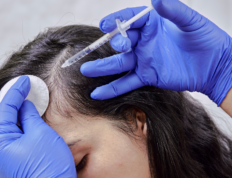
Platelet-Rich Plasma (PRP) therapy has gained attention as a natural and effective way to stimulate follicle activity without surgery. During this treatment, a small sample of the patient’s blood is taken, processed to extract concentrated platelets, and then injected into the scalp. The growth factors released encourage healing and regeneration at the follicular level.
Many patients report thicker hair and improved scalp health after regular sessions. PRP can be used alone or alongside other therapies to boost effectiveness, and it requires minimal downtime. It is particularly useful for individuals noticing early thinning around the temples or crown, as it supports existing follicles and delays progression. Clinics specialising in PRP hair restoration often recommend a series of sessions followed by maintenance to keep results consistent over the long term.
Low-Level Laser Therapy and Its Effectiveness
Low-Level Laser Therapy (LLLT), often delivered through caps, combs, or in-clinic devices, uses red light to stimulate scalp circulation and cellular activity. By increasing blood flow, it provides follicles with the nutrients and oxygen needed for stronger growth. This therapy is painless, safe, and easy to incorporate into a routine without disrupting daily life.
While results are not immediate, consistent use of laser devices has been shown to improve hair thickness and quality. Many people combine laser therapy with topical treatments or PRP for better outcomes, making it one of the most versatile non-surgical methods available. Patients who want a discreet option that does not involve medication or injections often find this approach appealing.
Scalp Micropigmentation for Receding Hairlines
For those seeking an instant cosmetic solution, scalp micropigmentation (SMP) provides a reliable alternative. This technique involves tattooing pigment into the scalp to replicate the appearance of tiny hair follicles, giving the illusion of density. It works particularly well for people with thinning hairlines or those who prefer a shaved look but want the appearance of fullness.
The procedure is non-invasive, requires minimal recovery, and results can last for several years with occasional touch-ups. Unlike other treatments, it does not stimulate actual growth but instead addresses the visual effect of thinning. For patients who are not suitable for transplants or who prefer a low-maintenance approach, scalp micropigmentation offers an effective and natural-looking solution.
Lifestyle Adjustments That Support Stronger Hair
Lifestyle changes may not replace medical or cosmetic treatments, but they play an important role in hair health. Stress, poor diet, and lack of sleep are all linked to accelerated shedding and weakened follicles. By addressing these areas, individuals can create a healthier environment for natural regrowth. Reducing stress through exercise or mindfulness practices can limit hormone fluctuations that affect hair cycles.
Avoiding hairstyles that cause traction and reducing chemical exposure also helps protect follicles from long-term damage. While lifestyle changes alone cannot reverse severe thinning, they form an important foundation when combined with other non-surgical options. Patients who commit to these adjustments often notice improvements in scalp condition and overall hair quality.
Nutritional Support and Supplement Programmes
Hair requires a steady supply of nutrients such as iron, zinc, biotin, and protein to grow effectively. Deficiencies in these areas can lead to brittle strands, excessive shedding, and slower regrowth. Many clinics recommend nutritional testing to identify imbalances that may be contributing to thinning. Correcting these through diet or targeted supplements can enhance results from other treatments.
Supplement programmes designed specifically for hair restoration often combine vitamins, minerals, and antioxidants that work together to strengthen follicles. While they are not a cure for genetic hair loss, they provide the body with the resources it needs to maintain healthier, stronger growth. Over time, this nutritional support makes other non-surgical treatments more effective.
Topical Treatments and Their Long-Term Value
Beyond minoxidil, a variety of topical products are available to support follicle activity and scalp health. Serums containing caffeine, peptides, or natural extracts aim to improve circulation and encourage stronger roots. These treatments can be applied directly to thinning areas, targeting the problem at its source.
Topical solutions work best when used regularly and as part of a broader treatment plan. While not as powerful as surgical or medical methods, they are affordable and easy to integrate into daily routines. Patients who use these alongside professional hair loss treatments often report better outcomes than with medication alone.
Wigs, Systems, and Cosmetic Concealment Solutions
Cosmetic solutions remain a trusted choice for many people, especially when they want immediate coverage. High-quality wigs and hair systems are more natural-looking than ever, with lightweight designs that blend seamlessly with existing hair. Unlike older styles, modern systems can be customised to match texture, colour, and density, giving a realistic finish.
Other options such as fibre sprays and powders can be used for quick coverage in thinning areas. These products are not permanent, but they provide a boost in confidence for social or professional settings. For those who prefer a non-medical approach, cosmetic concealment is a safe and accessible option while exploring longer-term treatments.
Combining Multiple Non-Surgical Methods for Better Results
Often the best outcomes are achieved when multiple non-surgical methods are combined. For instance, a patient may use minoxidil daily, undergo PRP sessions every few months, and add low-level laser therapy at home for continuous support. This layered approach tackles thinning from several angles, improving overall effectiveness.
By combining treatments, patients can prolong the life of existing follicles, strengthen hair quality, and delay the need for surgical intervention. A personalised treatment plan created with a hair restoration clinic ensures the right combination is selected based on the individual’s unique condition and goals.