Evaluating Candidacy for Hairline Restoration Procedures
Not everyone experiencing a receding hairline is automatically suited for surgical or non-surgical intervention. A thorough consultation with a qualified hair restoration specialist helps determine whether treatment is appropriate. Doctors typically assess the extent of loss, the stability of thinning, and the availability of donor follicles at the back or sides of the scalp. Patients in the early stages may be advised to start with non-invasive treatments, while those with more advanced thinning might need surgical restoration.
Age is also a consideration. Younger patients might see further progression after surgery if their pattern is not yet stable, which is why many professionals recommend waiting until the hairline has stabilised before undergoing certain procedures. Health conditions, scalp quality, and expectations are other important factors. For example, individuals with diffuse thinning across the scalp may not have enough donor follicles to achieve natural results. Honest discussions about goals and outcomes ensure patients know what to expect, whether they are considering a hair transplant or medical treatment.
Non-Surgical Approaches for Early Hairline Management
Before committing to surgery, many people explore non-surgical options. Topical treatments such as minoxidil have long been used to encourage follicle activity and slow recession. Oral medications that block hormones linked to androgenetic alopecia can also help stabilise progression and are often prescribed alongside other therapies. These methods do not restore lost follicles but can preserve what remains, making them valuable for early intervention.
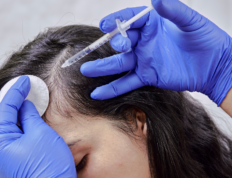
Another widely used option is Platelet-Rich Plasma therapy (PRP), where a patient’s own blood is processed to extract growth factors that are then injected into the scalp. This treatment supports follicle health and can improve hairline density when used consistently. In addition, lifestyle adjustments such as nutritional support, stress management, and avoiding harsh styling techniques help reduce further loss. While non-surgical approaches rarely reverse extensive thinning, they play a crucial role in delaying progression and optimising results when combined with surgical procedures later on.
Follicular Unit Transplantation Explained
One of the most established techniques in surgical restoration is Follicular Unit Transplantation (FUT). In this procedure, a strip of scalp is removed from the donor area, usually at the back of the head, where hair is more resistant to hormonal loss. The strip is then divided into follicular units under a microscope, which are carefully transplanted to the thinning hairline. This method allows surgeons to move large numbers of grafts in one session, providing strong coverage for advanced recession.
FUT is especially effective for patients requiring significant density, as it typically yields a higher graft count compared to other methods. However, it does leave a linear scar in the donor area, which is why patients who prefer to wear short hairstyles may opt for alternatives. Despite this, many individuals still choose FUT due to its high success rate and long-lasting results. Careful planning ensures the transplanted follicles are placed at natural angles to recreate a soft, age-appropriate hairline.
Follicular Unit Extraction and Its Advantages
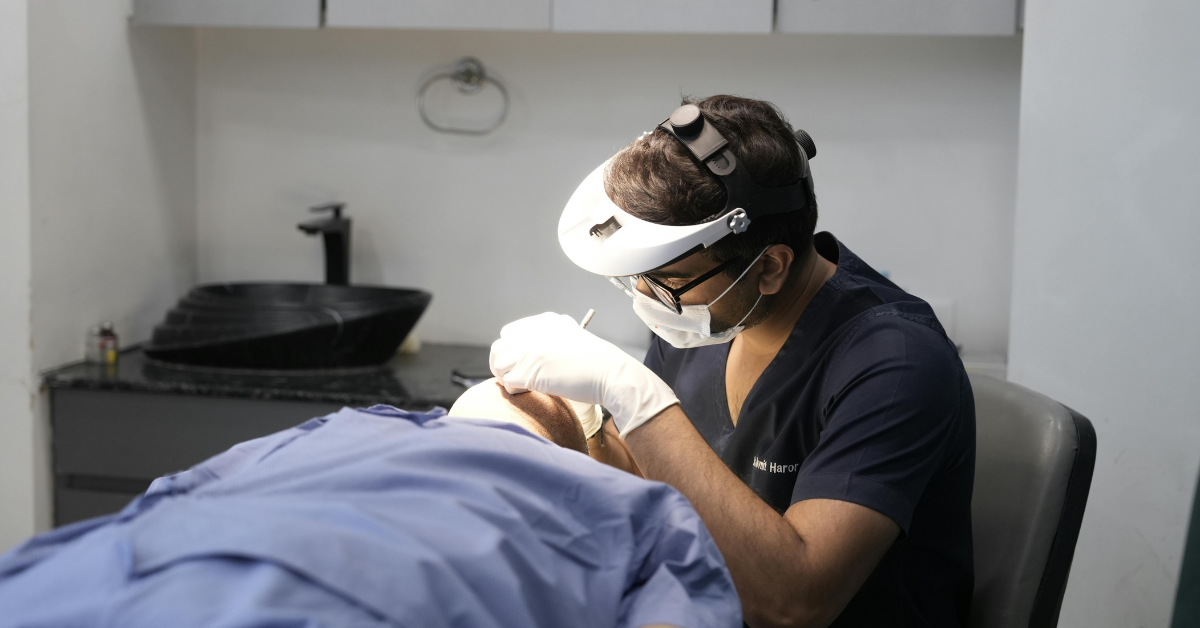
Follicular Unit Extraction (FUE) is another leading surgical technique that differs from FUT by avoiding the removal of a strip of scalp. Instead, individual follicles are extracted using specialised tools and then transplanted directly into the hairline. This approach leaves only small circular marks that heal quickly and are virtually invisible to the naked eye. Many patients prefer FUE because it allows for a more discreet recovery and avoids a long scar.
The procedure requires precision and takes longer than FUT, but it offers flexibility in donor harvesting. Patients who want to wear their hair very short often find this method ideal. The results, when performed by skilled surgeons, are permanent and natural-looking, with grafts blending seamlessly into the existing hairline. Although FUE can be more time-intensive and costly, it remains one of the most popular choices for those seeking natural restoration with minimal downtime.
Robotic Assistance in Modern Hairline Surgery
Technology has transformed hair transplant techniques, and robotic assistance is increasingly being used to improve precision. Robotic systems help identify the strongest donor follicles and extract them with a high level of accuracy, reducing the chance of damage. This not only improves graft survival but also ensures a consistent appearance when transplanted into the hairline.
By automating certain steps, robotic systems allow surgeons to focus on artistry and placement, ensuring the new hairline appears natural and complements facial features. Patients benefit from faster procedures and often experience reduced discomfort. Although robotic hair restoration is not available everywhere, it represents a significant advancement in surgical techniques, combining human expertise with machine precision.
Platelet-Rich Plasma Therapy for Hairline Support
PRP therapy is widely recognised as a supportive treatment for thinning hairlines, either as a standalone solution or in combination with surgical methods. By drawing a small amount of blood and processing it to isolate growth factors, doctors can stimulate dormant follicles and encourage stronger growth. This treatment is especially effective in early-stage thinning, but it is also used after hair transplant procedures to speed recovery and support graft survival.
Regular sessions are usually recommended for best results, often spaced a few weeks apart initially and then maintained over time. PRP is minimally invasive and has little downtime, making it attractive to patients who want to improve density without surgery. Although results vary, many individuals report thicker, healthier hair following treatment. For those considering surgery, PRP can serve as an excellent complementary therapy to optimise outcomes.
The Role of Medications in Complementing Restoration
Medications remain an important tool in preventing further loss after restoration procedures. Hair loss treatments such as finasteride work by reducing levels of dihydrotestosterone (DHT), the hormone responsible for shrinking follicles in androgenetic alopecia. Minoxidil, a topical solution, helps prolong the growth phase of hair and can improve density when used consistently. Used together, these treatments help maintain transplanted hair and protect existing follicles.
It is important for patients to understand that medication requires ongoing use. Stopping treatment usually leads to resumed thinning, which is why many specialists recommend incorporating it into long-term care plans. When combined with surgical or PRP therapies, medications provide a more comprehensive solution, ensuring the results of hairline restoration last as long as possible.
Expected Recovery After Hairline Restoration Procedures
Recovery times differ depending on the chosen technique, but most patients can return to daily activities within a few days. After FUE, healing is generally faster because there are no stitches, while FUT may require a longer recovery due to the donor scar. Swelling, redness, and minor discomfort are common during the first week, but these symptoms usually subside as the scalp heals. Patients are usually advised to avoid strenuous activity and protect the scalp from direct sunlight during the initial phase.
The transplanted follicles typically shed within a few weeks, which can be surprising for patients who expect immediate growth. However, this is a normal part of the cycle. New growth begins within three to four months, and full results are visible after nine to twelve months. Following aftercare instructions carefully is crucial to achieving natural results, and many clinics provide ongoing support throughout the process.
Long-Term Outcomes and What Patients Can Anticipate
One of the most encouraging aspects of hair restoration surgery is that transplanted follicles are resistant to hormonal loss, meaning results are usually permanent. Patients can expect a natural-looking hairline that continues to grow like the rest of their hair. That said, untreated areas may still thin over time, which is why some individuals choose additional sessions in the future.
Maintaining realistic expectations is important. A hair transplant does not restore the density of teenage years, but it can create a natural and youthful appearance that improves confidence significantly. With proper care, including medications and supportive treatments such as PRP, results can be maintained for many years. Ultimately, successful hairline restoration offers both aesthetic improvement and psychological benefits, helping individuals feel more comfortable in their appearance.