How PRP Stimulates Hair Follicles Naturally
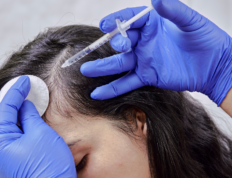
Platelet-Rich Plasma (PRP) therapy uses the body’s own healing components to encourage hair regrowth. The process involves drawing a small sample of the patient’s blood, separating the plasma using a centrifuge, and then injecting the platelet-rich portion directly into areas of thinning or weakened hair. The plasma is rich in growth factors which stimulate dormant follicles and improve blood supply to the scalp, creating a healthier environment for natural growth.
What sets PRP apart is its reliance on biological mechanisms rather than surgical or synthetic interventions. It promotes cell regeneration without introducing foreign substances into the body. This makes it suitable for individuals who prefer less invasive solutions or those in the early stages of hair thinning. The treatment is also relatively quick, with minimal downtime, making it appealing to patients seeking a discreet option.
At Hair Clinic International, PRP is tailored to each patient’s specific condition. The team assesses scalp health, hair density, and follicle activity before recommending a schedule of sessions. When used correctly, PRP offers subtle but noticeable thickening in areas where the follicles are still alive but struggling to perform.
Comparing PRP to Hair Transplant Surgery
While PRP relies on stimulation, hair transplant surgery is about redistribution. This method involves harvesting follicles from a donor site (typically the back or sides of the head) and transplanting them into thinning or bald areas. The transplanted follicles are genetically resistant to hair loss, making this a permanent solution for many candidates. However, it is more invasive and carries higher upfront costs.
The choice between PRP and transplant surgery depends heavily on the stage of hair loss. PRP works best when there is still some natural density and viable follicles present. In contrast, transplant surgery is more appropriate for patients experiencing advanced baldness, where entire regions of the scalp have stopped producing hair altogether. The permanence of transplants makes them attractive to those seeking a one-time solution.
Clinics such as Hair Clinic International offer both options, providing clear guidance based on hair loss patterns and patient expectations. Combining both treatments is also possible—PRP can be used post-surgery to speed up healing and support graft success. This integrated approach ensures patients achieve the best long-term outcome for their specific hair condition.
Differences in Recovery Time and Downtime
One of the most obvious distinctions between PRP therapy and surgical alternatives lies in the recovery timeline. PRP is considered a low-risk, outpatient procedure. Most patients experience mild soreness or redness at the injection sites, but these symptoms typically resolve within 24 to 48 hours. There is no need for bandaging, no stitches, and no scarring. Individuals can resume daily activities almost immediately after the session.
On the other hand, hair transplants involve more significant aftercare. Patients are advised to avoid direct sun exposure, strenuous activity, and certain types of headwear during the first few weeks post-surgery. Swelling and crusting are common, and while most people return to work within a week, full recovery and final results can take several months. Some individuals also undergo a temporary “shock loss” phase, where hair falls out before regrowth begins.
Hair Clinic International provides detailed aftercare instructions to help patients recover efficiently, whether undergoing PRP or surgery. Choosing between the two requires not only a consideration of effectiveness but also lifestyle fit—some may prefer the convenience of PRP, while others are willing to commit to surgery for more immediate density gains.
Cost Considerations for PRP and Alternatives
The cost of hair restoration is often a key factor in treatment decisions. PRP is generally more affordable per session than surgery, though multiple treatments are usually required to achieve noticeable results. Most patients need a series of initial injections spaced a few weeks apart, followed by maintenance treatments every few months. While the cost accumulates over time, the initial barrier to entry is relatively low.
Surgical procedures have a higher upfront cost but are typically one-time investments. Depending on the number of grafts required, hair transplant procedures can range into the tens of thousands. However, because the results are permanent in many cases, long-term maintenance costs may be lower compared to ongoing PRP sessions or daily medication.
At Hair Clinic International, pricing structures are transparent and aligned with the patient’s budget and expectations. The clinic offers tailored plans and honest discussions about what can be achieved within a certain price range. Balancing cost with outcome helps patients choose a method that delivers results without financial strain.
Maintenance Requirements After Each Option
PRP treatment requires consistent follow-up to maintain progress. Most patients begin with three to six sessions, spaced around a month apart, followed by booster treatments every three to six months depending on hair growth response. The non-permanent nature of PRP means that ongoing maintenance is essential to keep follicles active and scalp circulation optimal.
By contrast, hair transplants don’t need regular treatment once the grafts have taken root. However, they still benefit from additional care to maintain surrounding native hair. Patients may still experience progressive thinning in untreated areas, which is why clinics often recommend combining transplants with treatments like PRP or medication to stabilise overall loss.
At Hair Clinic International, patients are educated on the importance of long-term maintenance. Whether undergoing PRP, transplant, or a hybrid approach, post-treatment care is personalised and adapted over time to reflect each individual’s response. Sustained results depend not just on the initial procedure but on ongoing support.
Who Responds Best to PRP Treatment
PRP therapy yields the best results in individuals with early to moderate hair thinning where follicles are still functioning. Candidates with androgenetic alopecia often see significant improvement, especially if the treatment is started before complete follicle inactivity. Patients experiencing recent shedding or thinning rather than long-standing baldness tend to be ideal recipients.
Age and health can also affect PRP success. Younger patients often respond better due to more active follicular environments and stronger healing responses. However, older patients are not excluded—provided the follicles are still viable, they can still benefit. Lifestyle factors like diet, stress, and scalp health also influence responsiveness.
During consultations at Hair Clinic International, scalp analysis and medical history reviews help identify suitable candidates for PRP. The clinic uses these insights to create personalised plans that reflect individual conditions. Success with PRP hinges on proper candidate selection and consistent application.
Side Effects and Risk Profiles Compared
PRP is generally regarded as a low-risk procedure due to its autologous nature—meaning it uses the patient’s own blood. As a result, allergic reactions or rejection are virtually nonexistent. The most common side effects are temporary, such as scalp tenderness, mild bruising, or itching at the injection sites. There is no scarring, and infections are extremely rare when performed in a sterile setting.
In contrast, hair transplant surgery comes with more potential complications. These can include swelling, infection, scarring, folliculitis, and in rare cases, graft failure. The success of the procedure is highly dependent on surgeon skill and aftercare compliance. While these risks are manageable, they should be weighed against PRP’s less invasive profile.
Hair Clinic International maintains strict safety protocols for all procedures, whether surgical or injectable. The team prioritises patient education, hygiene, and aftercare follow-up to minimise complications. Choosing the right treatment involves a full understanding of the short-term and long-term risks.
PRP vs Medications: What You Need to Know
When comparing PRP therapy to oral or topical medications like finasteride and minoxidil, the differences in mechanism and outcome are notable. Medications work by either reducing hormone levels (in the case of finasteride) or increasing blood flow to the scalp (minoxidil). These are daily-use treatments, and results usually take several months to appear. Stopping use often leads to a reversal of progress.
PRP, on the other hand, works at a cellular level without systemic effects. It stimulates the scalp environment directly and does not interfere with hormonal systems. This makes it suitable for patients who want to avoid pharmaceutical side effects such as decreased libido or skin irritation. However, PRP requires a different form of commitment in the form of repeat clinic visits.
Hair Clinic International often combines PRP with medication to maximise results. Patients are guided through the pros and cons of each method, helping them build a routine they can stick to. Both approaches require patience and consistency, but PRP may be preferred by those looking for natural or hormone-free options.
How Long Results Typically Last
PRP offers gradual improvement rather than instant change. Most patients begin to notice results within three to six months, with continued improvement over the course of a year. However, results are not permanent. Without maintenance treatments, the improvements may begin to fade, especially if the underlying cause of hair loss is still active. For this reason, long-term plans are critical.
Hair transplants provide more lasting outcomes. Once the grafted hair takes hold, it grows naturally and is generally resistant to future loss. However, results can still vary based on age, donor quality, and individual healing factors. The surrounding native hair may still thin over time, requiring touch-ups or supplementary treatments.
At Hair Clinic International, all patients receive a timeline and maintenance plan suited to their treatment type. Whether they opt for PRP, surgery, or both, the clinic ensures that the results are supported for the long haul. Understanding the nature of each treatment helps manage expectations and build confidence.
Choosing a Method Based on Hair Loss Stage
The most effective way to decide between PRP and other hair restoration options is by identifying the current stage of hair loss. PRP works best in the early stages, where there is visible thinning but still a substantial number of live follicles. For these patients, PRP can help delay the need for surgery or medication and may restore fullness.
Those with more advanced loss may require surgical intervention to rebuild the hairline or add density to balding zones. Medications can be used to stabilise the situation, while PRP can support both surgical and non-surgical results. The right approach often involves combining treatments for maximum coverage and durability.
At Hair Clinic International, evaluations include scalp imaging, history analysis, and lifestyle discussions. This helps the medical team create bespoke treatment plans tailored to each patient’s level of loss, health profile, and long-term goals. There is no single answer—only what works best for the individual.