Introduction
Hair loss affects millions of people across the globe, yet the experience of losing one’s hair is remarkably different depending on whether you are a man or a woman. While both genders can suffer significant emotional distress when they notice their hair thinning or falling out, the underlying causes, patterns of loss, and most effective treatments vary considerably between the sexes. Understanding these differences is crucial for anyone seeking to address their hair loss concerns, as a one-size-fits-all approach simply does not work when it comes to restoring healthy, full hair.
The psychological impact of hair loss should not be underestimated for either gender. For men, a receding hairline or bald patch can affect their sense of masculinity and self-confidence in both personal and professional settings. For women, thinning hair can be absolutely devastating, as society often places tremendous emphasis on hair as a symbol of femininity and beauty. Seeking professional guidance from a hair loss specialist is the first step toward finding a solution that addresses the root cause of the problem rather than merely masking the symptoms.
Why Men and Women Lose Hair Differently
The fundamental reason that men and women experience hair loss differently lies in the complex interplay of hormones, genetics, and physiological factors that govern hair growth. In men, the primary culprit behind male pattern baldness is dihydrotestosterone, commonly known as DHT. This hormone is derived from testosterone and has a shrinking effect on hair follicles in genetically susceptible individuals. When DHT binds to receptors in the hair follicles, it causes them to miniaturise over time, producing thinner and shorter hairs until eventually the follicle stops producing visible hair altogether.
Women are somewhat protected from the effects of DHT by oestrogen, which helps to counterbalance androgenic hormones in the body. However, this protection diminishes during periods of hormonal fluctuation, such as during menopause, pregnancy, or when suffering from conditions like polycystic ovary syndrome. Female pattern hair loss typically manifests as diffuse thinning across the top of the scalp rather than the distinct receding hairline seen in men. Professional trichologists are trained to identify the specific mechanisms driving hair loss in each individual patient, ensuring that treatment plans are tailored to address the actual cause.
Common Hair Loss Patterns in Men
Male pattern baldness, clinically known as androgenetic alopecia, affects approximately two-thirds of men by the age of thirty-five, with this figure rising to around eighty-five percent by the age of fifty. The condition follows a highly predictable progression that has been documented using the Norwood-Hamilton scale, which identifies seven distinct stages of hair loss. The earliest signs typically appear as a slight recession at the temples, creating what is often described as a maturing hairline. As the condition progresses, thinning begins at the crown, eventually creating the characteristic horseshoe pattern of remaining hair.
The predictability of male hair loss patterns actually works in favour of treatment planning. Because specialists can anticipate how the hair loss is likely to progress, they can develop long-term strategies that account for future changes. Men who notice the early signs of hair loss should not delay seeking professional advice. The earlier intervention begins, the more options are available and the better the outcomes tend to be.
Common Hair Loss Patterns in Women
Unlike the distinctive receding hairline and crown thinning seen in men, hair loss in women typically presents as a gradual, diffuse thinning across the top of the scalp. The Ludwig scale is the primary classification system used to describe female pattern hair loss, identifying three main stages that progress from mild thinning along the part line to more extensive thinning across the crown area. Importantly, women rarely experience complete baldness or the total loss of the frontal hairline that is common in men. Instead, they retain their hairline while experiencing an overall reduction in hair density.
Many women first notice that their part appears wider than it used to be, or that they can see more of their scalp when tying their hair back. These early signs should prompt a visit to a hair loss clinic for professional assessment, as early intervention can significantly improve outcomes. Women can also experience other patterns including alopecia areata, which causes patchy bald spots, and traction alopecia from prolonged tension on hair follicles from tight hairstyles.
Medical Causes That Affect Women More Than Men
Women are susceptible to a range of medical conditions that can trigger or exacerbate hair loss, many of which either do not affect men or present differently in male patients. Thyroid disorders are among the most common medical causes of female hair loss, with both hypothyroidism and hyperthyroidism capable of disrupting the normal hair growth cycle. When the thyroid gland produces too little or too much hormone, hair follicles may enter the resting phase prematurely, leading to excessive shedding.
Iron deficiency anaemia is another condition that disproportionately affects women, particularly those with heavy menstrual periods or inadequate dietary iron intake. Hair follicles require a steady supply of nutrients and oxygen to function properly, and when iron levels are insufficient, the body prioritises vital organs over hair growth. Polycystic ovary syndrome causes elevated levels of androgens, which can trigger a pattern of hair loss similar to male pattern baldness. Understanding these causes of hair loss in women is essential for developing effective treatment strategies.
Hair Transplant Techniques and Gender-Specific Considerations
Hair transplant surgery has evolved dramatically over recent decades, with modern techniques offering natural-looking results that were once impossible to achieve. The two primary methods used today are Follicular Unit Extraction (FUE) and Follicular Unit Transplantation (FUT), both of which involve harvesting healthy hair follicles from a donor area and transplanting them to regions of thinning or baldness. However, the application of these techniques differs significantly between male and female patients.
For men, the typical hair transplant approach involves harvesting follicles from the resistant zone at the back and sides of the head, where hair is genetically programmed to resist DHT. FUE hair transplant procedures are particularly popular as they leave minimal scarring and allow for relatively quick recovery. Female candidates present different challenges because diffuse thinning may affect the donor zone, limiting available grafts. Additionally, hairline design requirements differ, with women requiring a softer, more rounded hairline without the temporal recession that characterises natural male hairlines.
Non-Surgical Treatments That Work Best for Men
Men experiencing hair loss have access to several proven non-surgical treatments that can slow the progression of balding and stimulate regrowth. Finasteride is an oral medication that works by inhibiting the enzyme that converts testosterone to DHT. By reducing DHT levels in the scalp, finasteride can halt the miniaturisation process and may allow affected follicles to recover. Minoxidil is another cornerstone treatment, available as topical solution or foam applied directly to the scalp, working by increasing blood flow to follicles and extending the growth phase.
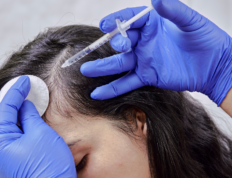
Laser therapy represents a more recent addition to the non-surgical treatment arsenal, using low-level light energy to stimulate cellular activity in hair follicles. PRP therapy, or Platelet Rich Plasma therapy, has emerged as a highly effective option. This procedure involves drawing blood, processing it to concentrate the platelets and growth factors, then injecting this enriched plasma into the scalp to stimulate dormant follicles.
Non-Surgical Treatments That Work Best for Women
The treatment landscape for female hair loss differs considerably from that available to men, primarily because hormonal medications effective for male pattern baldness are not suitable for women of childbearing age. Finasteride can cause serious birth defects if taken during pregnancy and is therefore not prescribed to women who may become pregnant. However, women have access to a range of effective alternative treatments.
Topical minoxidil remains one of the most widely used treatments for female pattern hair loss, with formulations specifically designed for women in lower concentrations. Spironolactone is an anti-androgen medication that may be prescribed to women experiencing hair loss related to elevated androgen levels. Non-surgical hair replacement systems offer another option, using high-quality hair integrated with a breathable base custom-fitted to the scalp. PRP therapy and laser therapy are both excellent options for women experiencing diffuse thinning.
Hairline Design and Aesthetic Goals by Gender
One of the most critical aspects of hair restoration is achieving a result that looks entirely natural, requiring thorough understanding of how natural hairlines differ between men and women. A male hairline typically sits higher on the forehead and features distinct recession at the temples, creating an M-shaped pattern that becomes more pronounced with age. Even young men who have never experienced hair loss have a more mature hairline than they did as children, and attempting to recreate a juvenile hairline results in an unnatural appearance.
Female hairlines are characterised by their softness and rounded contours, retaining more hair at the temples and creating a gentle curve across the forehead. When designing a hairline for female hair transplant patients, surgeons must create this natural femininity, using single-hair grafts at the front to produce an irregular, soft edge. Men typically focus on restoring crown and frontal coverage, while women prioritise restoring overall density along the part line.
Recovery Time and What to Expect After Treatment
Recovery following hair restoration treatment varies depending on the procedure type. Surgical hair transplants typically require seven to fourteen days’ recovery, during which patients may experience swelling, redness, and mild discomfort that subside relatively quickly. Transplanted hairs shed within the first few weeks as follicles enter a resting phase before producing new growth.
For non-surgical treatments such as PRP therapy or laser therapy, recovery is minimal with most patients returning to normal activities immediately. Surgical transplants show new growth around three to four months post-procedure, with final results taking nine to twelve months. Following post-treatment care instructions from your hair loss clinic carefully is essential for achieving optimal outcomes and minimising complications.
Choosing the Right Clinic and Specialist for Your Needs
Selecting the right clinic and specialist for your hair restoration journey is perhaps the most important decision you will make. The field includes practitioners with varying levels of training and expertise, and choosing the wrong provider can result in disappointing outcomes. Look for established practices with proven track records and practitioners who specialise specifically in hair restoration rather than offering it as one of many services.
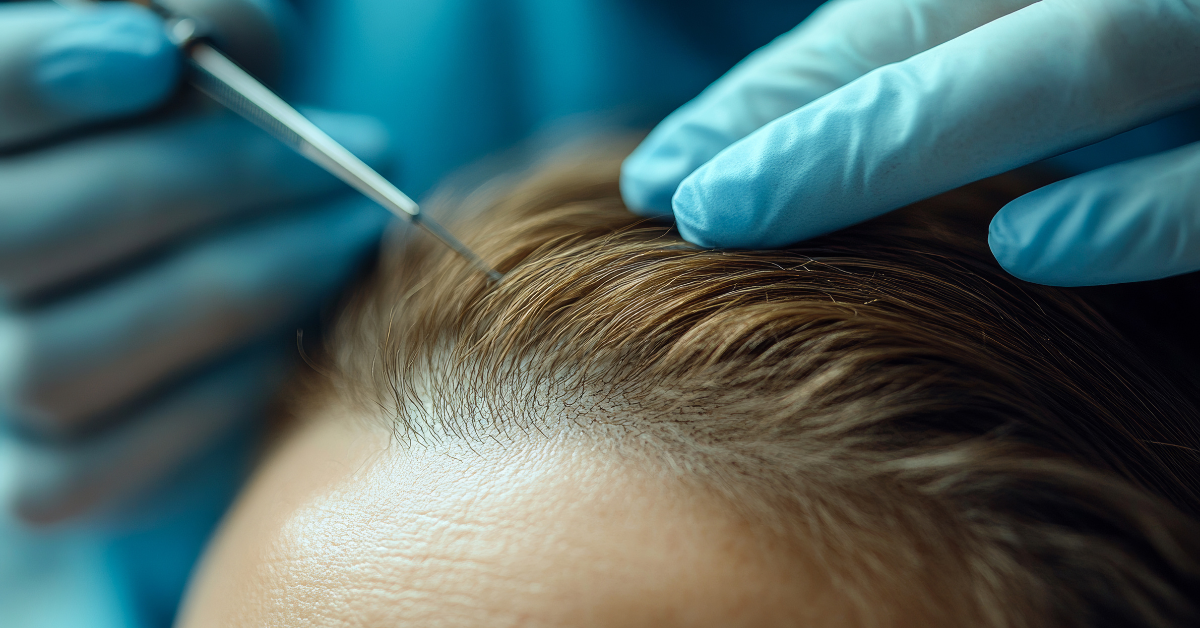
Experience with gender-specific treatments is particularly important. A clinic that primarily treats male patients may not have expertise necessary for female hair loss, and vice versa. Ask potential providers about their experience treating patients of your gender and request before and after photographs. A reputable hair loss clinic should offer thorough consultations including microscopic examination of your scalp, discussion of medical history, and comprehensive explanation of available treatment options.
Conclusion
The journey to restoring healthy, full hair is highly personal, and understanding the differences between male and female hair loss is essential for finding the right solution. Men and women lose hair for different reasons, in different patterns, and respond differently to various treatments, making personalised care absolutely crucial for success. Whether you are a man noticing early signs of recession or a woman concerned about diffuse thinning, seeking professional advice from a qualified specialist is the first step toward effectively addressing your concerns.
Modern hair restoration offers a wealth of options for both genders, from proven medications and innovative therapies like PRP and laser treatment to sophisticated surgical techniques that permanently restore lost hair. With the right specialist guiding your journey, you can regain not only your hair but also the confidence and self-image that hair loss may have affected.