Understanding PRP Treatment
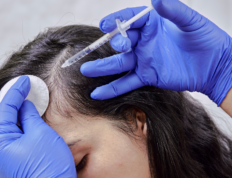
Platelet-Rich Plasma therapy has become a familiar option for individuals looking for a non-surgical approach to strengthening hair growth or supporting tissue repair. Many people choose PRP treatment because it uses their own blood cells, which reduces the chances of major reactions and allows for a regenerative effect that complements a range of hair restoration plans. The concentration of platelets is prepared through a controlled separation process, then injected into targeted areas of the scalp to stimulate healthier follicle function. Because it is designed to support natural healing responses, PRP has been integrated into hair clinics as a supportive therapy rather than a replacement for surgical procedures.
Understanding how the process works is important for building realistic expectations. PRP does not create new follicles, and it cannot reverse complete baldness. Instead, it focuses on improving the quality and activity of existing follicles. This makes it beneficial for individuals experiencing early thinning, progressive shedding, or recovery after a hair transplant. Although the procedure is considered safe, it is still a medical treatment, which means patients must be aware of possible discomfort or side effects that can happen during the early stages of healing.
Why Side Effects Occur
Side effects often occur because PRP activates a natural response in the body. When concentrated platelets are reinjected into the scalp, they encourage healing signals, which may temporarily cause mild inflammation. This is usually a sign that the body has recognised the material as part of its own tissue and is beginning the regenerative cycle. Swelling, warmth, or light sensitivity around the treated area may appear for a short period, particularly in people with sensitive skin or reactive scalps. These sensations are temporary and often settle within a day or two.
The technique used during injection also plays a role. Every puncture triggers a small injury to the skin, and although it is controlled and intentional, the immune system responds in the same way it would to any minor wound. Individual physiology influences the intensity of these responses. Some people show only slight redness, while others experience more visible irritation. Neither pattern is considered abnormal, but understanding this natural process helps patients remain prepared and calm during early recovery.
Common Short-Term Reactions
Most short-term reactions linked to PRP are mild and manageable. Redness is one of the most frequently reported effects, usually appearing immediately after the session due to increased blood flow. Swelling may accompany it, particularly around the injection points. These reactions are similar to what would occur after any form of skin needling or medical injection. Bruising is also possible, especially in individuals with naturally delicate skin or those who bruise easily. Although these marks can appear dramatic, they fade quickly and rarely require intervention.
Tenderness is another common reaction. Since the procedure involves multiple injections, the scalp may feel slightly sensitive when touched. This sensation typically peaks within the first 24 hours before gradually improving. The discomfort is usually mild enough that most patients resume normal activities soon after their session. Light scabbing may appear in rare cases, but it is important not to scratch or disturb these areas to avoid unnecessary irritation. Clinics that specialise in hair loss treatment usually provide aftercare guidance to help ease these short-term symptoms.
Injection-Related Risks
Any treatment involving injections carries its own set of risks, even when performed with sterile equipment. Minor bleeding from injection sites is expected, but it stops quickly and rarely causes complications. Some individuals feel a temporary sting during the procedure because PRP is injected at multiple depths across the scalp. This discomfort tends to lessen as the session continues. Slight dizziness may occur in people who are sensitive to needles or anxious before treatment, although clinics are prepared to help patients manage these reactions.
More specific risks can include irritation caused by repeated punctures in a concentrated area. If the scalp is already inflamed or sensitive from other treatments, the response may be more noticeable. Practitioners work carefully to distribute injections evenly and avoid placing excessive pressure on one region. In extremely rare instances, nerves or blood vessels may become irritated, but such complications are preventable when the treatment is carried out by trained professionals who understand proper technique and anatomical structure.
Infection and Contamination Concerns
Although PRP uses a patient’s own blood, infection remains a potential risk if sterile procedures are not followed. Clinics must prepare the materials in controlled environments and maintain strict hygiene at every stage of the process. Contamination can occur if equipment is mishandled or if injection sites are not disinfected correctly. Patients should always select a reputable clinic with proven medical protocols to minimise this risk. Warning signs of infection include persistent redness, warmth, severe swelling, or discharge from treated areas.
Because PRP is a biological substance, its preparation requires specialised centrifugation equipment. If the equipment is not cleaned thoroughly, bacteria could be introduced unintentionally. High-quality clinics invest in modern devices and follow established sanitisation standards to safeguard their patients. Early intervention is crucial if an infection is suspected, and patients should report any unusual changes during the first few days after their session. Fortunately, infections are rare, particularly when the procedure is performed by experienced practitioners.
Allergic or Unexpected Sensitivities
Allergic reactions to PRP itself are extremely rare because the substance comes directly from the patient’s own body. However, sensitivities may arise from additives, topical products used during preparation, or contact with disinfectants. In some cases, the skin may react unexpectedly to the method rather than the material. Itching, prolonged redness, or small bumps can appear, especially in people with reactive or allergy-prone skin. These reactions are typically mild and resolve without treatment.
Unexpected sensitivities can also occur due to equipment intolerance. Some individuals may react to materials used in syringes or gloves. While uncommon, these reactions highlight the importance of discussing allergies or skin sensitivities before treatment. When a clinic is informed beforehand, they can adjust their preparation methods to prevent unnecessary irritation. Medical teams trained in hair restoration procedures are familiar with these sensitivities and take steps to reduce risks for every patient.
Ineffective Results and Treatment Limitations
PRP does not guarantee the same results for every patient, and its effectiveness depends heavily on individual biology. People with advanced baldness or minimal follicle activity may not experience significant improvement because PRP works by stimulating existing follicles rather than creating new ones. If the platelet concentration is too low or improperly prepared, the regenerative potential may be reduced. These limitations are not considered side effects, but they are important risks that patients must understand before committing to a course of treatment.
Another factor that may influence results is the patient’s overall health. Nutrient deficiencies, autoimmune conditions, and hormonal imbalances may restrict how well PRP performs. A clinic with experience in regenerative therapies will evaluate these conditions during consultation. Realistic expectations also play a key role. PRP may strengthen hair, reduce shedding, or improve hair texture, but it cannot match the density achieved through surgical procedures such as a hair transplant. Understanding its boundaries prevents frustration and helps patients make informed decisions.
Risks for Individuals With Medical Conditions
People with certain medical conditions may face additional risks when undergoing PRP therapy. Those with bleeding disorders, low platelet counts, or compromised immune systems may not be ideal candidates because their bodies may struggle to respond effectively. Medications such as blood thinners can also influence how well the treatment performs and may increase the chances of bruising or bleeding during the session. This is why a comprehensive medical assessment is essential before the procedure.
Autoimmune conditions can present another challenge. In some individuals, the immune system may overreact to the injection process, increasing inflammation beyond the usual levels. These reactions do not always pose a danger, but they can make recovery less comfortable. Patients with chronic illnesses should consult their healthcare specialists and disclose their medical history fully. Responsible clinics prioritise safety before recommending any form of PRP treatment, ensuring that the patient’s health supports a positive outcome.
Managing Side Effects at Home
Most side effects of PRP therapy are manageable with basic home care. Patients are typically advised to avoid excessive heat, vigorous exercise, or harsh hair products for the first day or two. This helps keep the scalp calm while it settles. Mild swelling can be eased with gentle cooling, while discomfort usually responds well to over-the-counter pain relief that does not interfere with platelet activity. Because PRP stimulates natural healing, the body generally resolves symptoms without additional interventions.
Proper scalp hygiene is essential. Patients should avoid touching or scratching the injection sites and follow washing instructions provided by the clinic. Hydration and balanced nutrition also support healthy recovery. If redness or tenderness persists longer than expected, patients should contact their practitioner for personalised advice. Clinics offering hair loss treatment often provide aftercare support to help patients monitor their progress and feel confident during the healing period.
When to Seek Medical Assistance
While PRP is considered safe, some reactions fall outside the range of normal healing and require medical attention. Persistent swelling that worsens over time, ongoing pain that does not improve, severe bruising, or the appearance of pus or visible infection are all warning signs. Rapid increases in temperature around the treated area or unusual discharge should be reported immediately. Early action helps prevent minor issues from developing into more serious problems.
Patients should also reach out to their clinic if they experience dizziness, difficulty breathing, or intense headaches following treatment, even though such reactions are very uncommon. Clinics accustomed to performing advanced procedures like hair restoration have the knowledge to assess symptoms quickly and guide patients through appropriate next steps. Being proactive ensures safe recovery and long-term benefit from the treatment.
Minimising Risks Through Proper Clinic Selection
Many risks associated with PRP can be avoided simply by choosing a qualified, reputable clinic. Skilled practitioners understand how to prepare platelet-rich plasma correctly, how to maintain strict sterile conditions, and how to deliver injections with precision. Clinics that specialise in medical-grade procedures typically use high-quality centrifugation equipment, follow regulated protocols, and provide detailed aftercare instructions. These steps dramatically reduce the chances of complications.
Patients should look for clinics with a strong track record of performing PRP and related treatments. Reviewing practitioner qualifications, before-and-after results, and treatment methods can offer a clearer picture of the clinic’s standards. A transparent consultation, where risks and expectations are discussed openly, further demonstrates professionalism. When patients make informed decisions and select a clinic with reliable medical processes, the likelihood of experiencing serious side effects becomes significantly lower.