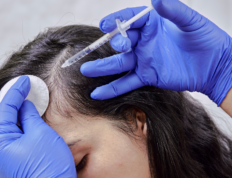
A person considering any form of hair restoration often reaches a point where they must choose between FUE and FUT. Both techniques have been used for many years and both deliver strong results when performed by experienced medical teams. Even so, the methods differ in how grafts are removed, how the scalp heals, and how the final outcome appears. This blog breaks down the key differences in a clear and practical way, helping readers weigh up what suits their goals. For information about hair restoration and related treatments, helpful resources can be found at Hair Transplant pages across Hair Clinic International.
Understanding How FUE Works
Follicular Unit Extraction, often called FUE, is a method where individual follicular units are removed from the donor area using tiny punches. This system avoids removing a strip of skin, which is why many people describe it as less invasive. Each graft is taken one by one and then placed into the required areas. The method demands precision because every unit must be correctly handled to remain healthy and suitable for reimplantation. You can learn more about medical hair restoration through the clinic’s Hair Restoration guidance provided on their website.
The appeal of FUE often lies in the freedom it gives the patient. Since no long incision is made, the healing pattern involves small dotted marks instead of a thin linear line. For those who keep their hair very short, this can be an advantage. At the same time, the process is slower because each follicle is harvested individually. This increases the surgeon’s workload but also creates room for detail, allowing the professional to select follicles with the best growth potential.
Many patients are drawn to FUE because the movements of extraction and placement feel more modern. Technological improvements have made the process more precise, and the technique has become popular with patients who want flexibility in styling and less worry about visible scarring. However, outcomes still depend on matching the patient’s donor capacity, goals, and patterns of thinning.
Understanding How FUT Works
Follicular Unit Transplantation, known as FUT, follows a different approach. Here, the surgeon removes a narrow strip of skin from the back of the scalp and then divides it under magnification into individual grafts. This technique has been used successfully for many years and remains the choice for people who need a large number of grafts in a single session. The donor area is then closed with fine stitching, leaving a linear scar that can be hidden under medium length hair.
One advantage of FUT is its efficiency. Extracting grafts from a strip allows the team to collect more follicles quickly and often in excellent condition. This helps when the goal is to rebuild large bald areas or create strong density in zones where thinning is more severe. Many surgeons regard FUT as a consistent option for high graft numbers while maintaining quality of follicle structure.
Although FUT leaves a line scar, this is not necessarily a concern for people who usually wear their hair slightly longer. The scar is typically narrow when properly closed and cared for. FUT is often the preferred method for patients whose donor areas are limited or those requiring a substantial change in coverage during one procedure.
Comparing the Surgical Techniques
The most noticeable contrast between the two procedures lies in how grafts are extracted. FUE focuses on the individual removal of follicles, while FUT relies on strip harvesting. Each technique suits different needs, making neither universally better than the other. Instead, the decision depends on how each method fits the person’s goals, lifestyle, and hair characteristics.
Another difference is how the surgeon approaches planning. When preparing for FUE, positioning and spacing for extraction must be carefully managed to avoid over-harvesting or thinning the donor region too much. In FUT, grafts are taken from a central strip that contains a dense concentration of strong follicles, which helps maintain the consistency of the donor area.
Both techniques share one major goal. Each aims to produce natural looking growth. When performed correctly, the implanted hairs blend with existing strands and follow the natural direction and pattern of the patient’s scalp. This shared commitment to natural design is why both FUE and FUT remain reliable choices across the field of medical hair restoration.
Differences in Scarring and Healing
One of the biggest questions patients ask is how their scalp will look after healing. FUE typically produces small circular marks that fade over time. These marks are spaced across the donor area and usually blend well, especially when the person keeps some length on their hair. People who prefer very short hairstyles often lean toward FUE for this reason.
By contrast, FUT leaves a linear scar where the strip was removed. In many cases, this mark is thin and concealed by surrounding hair. Skilled closure and proper post-care play important roles in how the final result appears. FUT patients who keep their hair long enough rarely notice the scar once healing is complete.
Healing time also differs slightly. Since FUE uses many tiny punches, healing involves multiple small spots settling at once. With FUT, the main focus is the linear incision. Both methods require careful aftercare, avoiding strain on the scalp and following the clinic’s instructions. The clinic provides aftercare guidance for Hair Transplant Recovery that can help support healing.
Recovery Time for Each Method
The recovery period for FUE is often described as slightly easier. Patients may experience minor discomfort or small scabs in the donor region, but this usually fades within days. The scattered nature of the extraction means there is no single incision to care for. Everyday activities can often resume relatively quickly, though full recovery still needs patience.
With FUT, recovery involves protecting the stitched donor area. This includes avoiding tension on the back of the head and keeping the region clean while the incision heals. The timeline may include a few extra days of monitoring compared to FUE. Even so, most patients return to normal routines without major difficulty once the stitches are removed.
Regardless of the chosen method, newly implanted hairs require time before they begin visible growth. Surgeons often explain that shedding of the implanted hairs shortly after the procedure is normal. Growth then resumes, and the new hairs thicken over several months. Patience is key for both methods.
Pain Levels and Comfort During and After
Pain levels tend to be mild for both FUE and FUT, thanks to local anaesthetic. During the procedure, patients remain awake but comfortable. Sensations typically involve pressure rather than sharp pain. It is normal to feel slight tightness after FUT or slight tenderness after FUE, but these feelings fade fairly quickly.
One difference is the source of discomfort. FUE patients may notice sensitivity across the donor area due to the number of small extraction sites. In FUT, the sensation comes from the linear incision. The overall discomfort is usually manageable in both cases. Clinics often provide medication to help ease any temporary soreness.
Comfort during recovery is influenced by following aftercare guidelines. Avoiding strenuous exercise, protecting the scalp, and maintaining cleanliness help reduce irritation and support a smooth recovery. In both methods, discomfort is temporary and typically subsides within days.
Suitability Based on Hair Type and Density
Choosing between procedures often depends on hair characteristics. People with thick donor density sometimes qualify for either method. Others may benefit more from FUT because it allows the surgeon to harvest a high number of strong follicles in one session. This can be useful for significant restoration goals.
Patients with tightly curled or very fine hair may be better matched with one technique over the other depending on how their follicles respond to extraction. Surgeons assess the direction, angle, and curl pattern of the follicles. These factors influence whether FUE punches can remove grafts cleanly or whether a strip method may offer better preservation.
Suitability is also shaped by personal goals. Patients who plan to wear short hairstyles may prefer FUE because of the dotted scarring pattern. Those seeking maximum graft numbers often lean toward FUT for its efficiency. Consultation with a skilled team helps determine the best match.
Long Term Results and Natural Appearance
Both FUE and FUT aim to create natural looking results. Surgeons design the hairline based on facial structure, age, and natural growth direction. This ensures the implanted hairs blend seamlessly with existing strands. Good planning matters more than the technique itself when it comes to final appearance.
The long term results depend on healthy donor follicles and proper placement. Because both methods use a patient’s own hair, growth remains permanent in the implanted areas. The main difference is how the donor area looks afterward, not the quality of the implanted hairs.
Success also comes from ongoing management of natural hair loss. Surgeons may combine treatments or recommend maintenance strategies when appropriate. Growth patterns, density goals, and future thinning are part of the planning process.
Costs and What Influences Pricing
Costs vary depending on how many grafts a patient needs, the chosen technique, and the clinic’s level of experience. FUE often requires more time and manual work, which can raise the price compared to FUT. The use of specialised tools and longer sessions contribute to the overall cost.
FUT may be more cost effective for large graft counts. Because the strip method allows faster harvesting, the number of hours involved can be lower. Patients with extensive thinning may find this beneficial when targeting broad coverage.
Additional factors include clinic reputation, surgeon expertise, and follow up care. Quality and safety are vital in hair restoration, so cost should be considered alongside skill and trustworthiness.
When Patients Might Prefer FUE
Patients often choose FUE when they want minimal visible scarring, quicker comfort during early recovery, or more freedom to keep their hair short. People who require smaller sessions or who want to spread procedures out over time may find FUE convenient.
Others prefer FUE because of its modern and detailed approach. Harvesting grafts individually allows more selection control. With the right donor density, FUE can produce impressive and natural results.
Styling choices also play a role. If someone regularly shaves their head or keeps very short fades, FUE may suit them better because the dotted scarring pattern is less noticeable.
When Patients Might Prefer FUT
Some patients choose FUT when they need a large number of grafts or want strong density in one procedure. The method delivers high yield and allows careful preservation of follicle groups. This can be especially useful for people with advanced thinning.
Patients who do not keep their hair extremely short often find the linear scar manageable. With enough length, the scar remains hidden. This makes FUT a practical choice for many.
FUT can also suit people whose donor area needs protection from over-harvesting. Because grafts are taken from a concentrated strip, surrounding areas remain untouched. This allows careful long term planning for possible future procedures.