Understanding Hairline Restoration
Hairline restoration has become one of the most requested solutions for people experiencing early or advanced recession along the front of the scalp. Many individuals reach a point where styling, concealers, or topical products no longer provide the coverage they want. This is where a structured medical approach becomes important, and treatment options such as a hair transplant or supporting therapies can deliver meaningful improvements. The goal of modern treatment is not only to fill thinning areas but also to recreate a natural pattern that suits the patient’s facial features and long-term hair behaviour.
Unlike older techniques that produced unnatural lines or visible patterns, today’s methods rely on strategic follicle placement and refined medical practices. Professionals focus strongly on replication of natural angles, density control, and long-term durability, ensuring that the new hairline grows in a way that looks consistent with the rest of the scalp. Patients often find that the psychological difference is just as significant as the physical one, with restored confidence tied closely to improved appearance.
Identifying the Causes of Hairline Recession
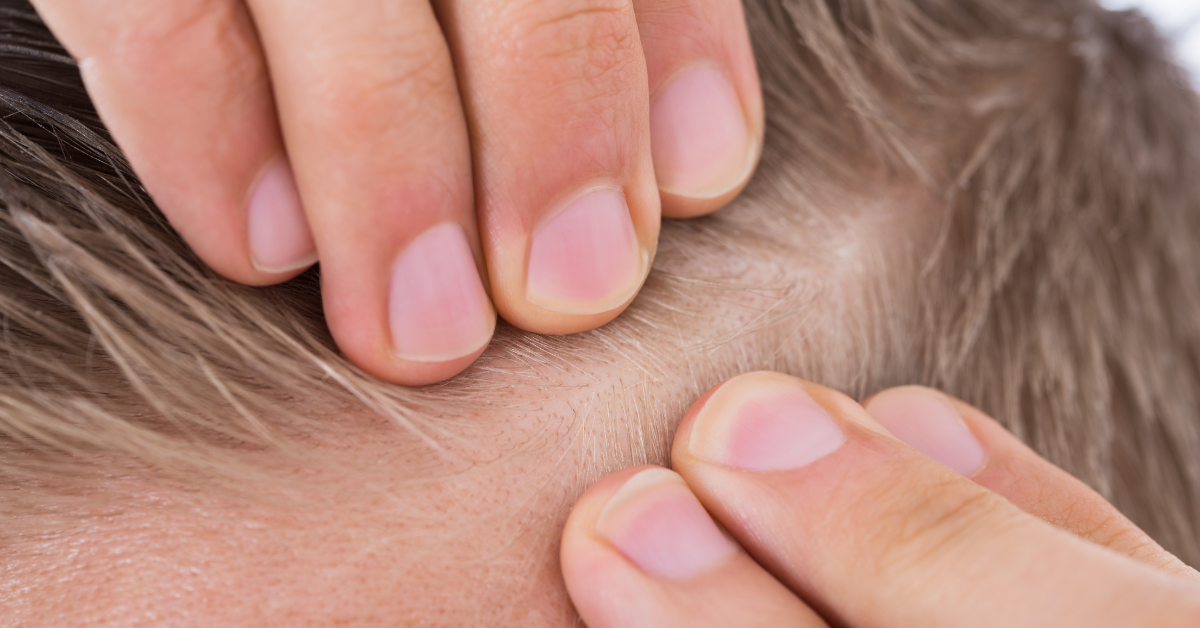
A receding hairline can emerge for several different reasons, although genetics is the most common factor. Androgenetic alopecia affects both men and women and typically begins with gradual thinning around the temples. Hormonal changes, stress, and scalp conditions can also contribute to the speed of recession, making early assessment important. In many people, the pattern is predictable, which allows specialists to plan long-term restoration strategies that remain stable over time.
Lifestyle habits may accelerate a naturally slow recession. Long-term tension styles, heat exposure, harsh chemical use, and poor scalp nutrition can weaken follicles over time. When these triggers combine with genetic predisposition, thinning may happen faster than expected. Before moving forward with any corrective plan, a reputable clinic will evaluate all contributing elements to determine the most suitable route forward.
Assessing Candidacy for Treatment
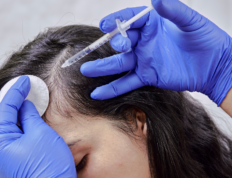
Not everyone with a receding hairline is an immediate candidate for a procedure, and responsible assessment is crucial. Specialists evaluate donor density, growth patterns, age, overall health, and the stability of the patient’s thinning areas. This is especially important for younger adults, where a premature procedure may lead to unnatural spacing if future hair loss progresses. For many, early intervention with PRP treatment or medical therapies may strengthen existing follicles before surgical options are considered.
A proper consultation also includes a close look at scalp quality and hair texture. Coarser or curlier strands tend to provide greater visual density after transplantation, while finer strands may require more careful placement to achieve the desired appearance. A qualified clinician will ensure that expectations match clinical possibilities, giving the patient a realistic understanding of what can be achieved.
Planning a Natural-Looking Hairline
A natural result begins long before the first graft is placed. Skilled practitioners invest significant time into designing a suitable outline using established principles of facial proportion and hair flow. The aim is not to recreate the patient’s teenage hairline but rather a balanced, age-appropriate frame that complements their features. Subtle irregularities are included intentionally to mimic real hair behaviour, preventing the line from appearing too symmetrical or artificial.
During planning, surgeons use delicate spacing and angle control to ensure that the transplanted follicles grow in a way that blends smoothly with the surrounding hair. Density is built gradually, with the softest and finest grafts positioned at the very front to ensure a natural transition. These principles are essential whether the patient chooses FUE or FUT, ensuring long-term satisfaction with the final aesthetic.
Follicular Unit Extraction (FUE)
Follicular Unit Extraction is one of the most widely chosen techniques for restoring the hairline because it allows follicles to be removed individually from the donor area. This results in minimal scarring and a quicker return to everyday activities. Patients often appreciate that FUE enables a shorter hairstyle after recovery since there is no linear scar. Each follicle is selected with precision, ensuring that only strong, healthy grafts are used during placement.
The implantation stage is equally meticulous. Individual follicles are inserted into pre-made sites that mirror the natural direction of hair growth. Because the method is less invasive, recovery is generally straightforward, with most people returning to routine tasks within a few days. Full growth unfolds gradually, with visible improvements becoming more noticeable after the first few months.
Follicular Unit Transplantation (FUT)
FUT, often referred to as the strip method, remains an effective solution for patients who require a higher volume of grafts. During this approach, a narrow strip of tissue is removed from the donor region, and the follicles are carefully dissected under specialised equipment. Although the method results in a linear scar, it is positioned strategically and can be easily covered by surrounding hair in most cases.
Many individuals choose FUT because it can deliver a dense and robust hairline using fewer sessions. The grafts are typically strong and of consistent quality, which can be beneficial when creating a fuller front profile. For some patients, a combination of FUT and FUE may be recommended to achieve the most balanced density across the scalp.
Advanced Hairline Refinement Methods
Modern hair restoration has expanded beyond basic graft placement. Advancements such as micro-grafting, refined punch tools, and density-focused strategies enable highly detailed work along the front hairline. These small refinements can make the difference between a result that looks placed and one that appears entirely natural. Clinics often incorporate hair restoration enhancements to refine softness and density at the transition points.
These techniques give surgeons greater control when framing the face, particularly in cases where the patient has fine strands or limited donor supply. The combination of artistic planning and medical precision allows for highly personalised outcomes that remain consistent as the transplanted hair continues to grow.
Non-Surgical Options for Improving the Hairline
Not every patient requires surgery, especially in the early stages of thinning. Medical options such as topical treatments, prescription medication, and nutritional support may help stabilise recession. Some clinics incorporate low-level laser therapy to encourage follicle activity, supporting healthier growth cycles. These options are often paired with hair loss treatment programmes that aim to preserve the existing follicles.
Another popular non-surgical technique is scalp micropigmentation, which adds the appearance of density by creating minute pigment dots across thinning areas. Although it does not produce physical hair, it can make the hairline appear stronger and more defined. This option is beneficial for patients who want visual improvement without a medical procedure.
What to Expect During the Procedure
Regardless of the technique chosen, the procedure follows a structured series of steps to maintain precision. Patients typically arrive for preparation, photography, and design confirmation. Local anaesthesia is applied to ensure comfort throughout the process. The harvesting phase is detailed and deliberate, followed by graft sorting, and then careful placement along the newly designed outline. Clinics that specialise in hairline restoration prioritise accuracy at each stage to deliver consistent, natural results.
The duration varies depending on the number of grafts needed, but most patients remain relaxed throughout the experience. Once the implantation is complete, the medical team guides patients through aftercare instructions, including washing routines, activities to avoid, and products that support early healing.
Recovery and Growth Timeline
Recovery is typically steady, with mild swelling or redness in the initial days. Patients can usually resume most tasks soon after the procedure, although strenuous activity is avoided for a short period. The transplanted follicles enter a resting phase before new growth begins, which is a normal part of the cycle and not a cause for concern.
Growth progresses gradually, with early sprouts appearing after three to four months. Significant changes become visible between six and nine months, and full results often mature around the twelve-month mark. This timeline helps set realistic expectations so patients understand the natural progression of their new hairline.
Long-Term Results and Maintenance
A successful restoration produces long-lasting improvements because transplanted follicles retain their genetic resistance to thinning. Patients who follow structured care plans, including supportive therapies or maintenance treatments, often enjoy consistent density for many years. Regular check-ins with the clinic make it easier to monitor ongoing hair health and address any new areas of thinning early.
Maintaining the restored hairline also involves lifestyle considerations such as scalp protection, balanced nutrition, and gentle styling habits. When combined with a strong medical foundation, these steps help ensure that the new hairline remains natural, durable, and aesthetically pleasing long into the future.