Hair Thinning: Prevention and Solutions
Hair thinning is a challenge that affects countless individuals, impacting not only appearance but also confidence and overall quality of life. This comprehensive blog explores the multifaceted causes of hair thinning, outlines preventative strategies, and discusses a range of solutions that integrate medical, natural, and lifestyle-based approaches. By examining the latest research and expert practices, we aim to provide a well-rounded understanding of how to manage and prevent further hair thinning while promoting healthy regrowth.
Many people find themselves searching for answers and reassurance at a reputable hair clinic. Such institutions offer a personalised approach to diagnosing the underlying causes of hair thinning and developing tailored treatment plans. As modern medicine and holistic practices continue to evolve, there is an increasing array of options available that address not only the symptoms but also the root causes of hair loss. In this blog, we delve into various aspects of hair thinning prevention and solutions, ensuring that readers gain practical insights and actionable advice.
Understanding Hair Thinning
Hair thinning is often the result of a complex interplay of genetic, hormonal, environmental, and lifestyle factors. It is not merely a natural part of ageing but can also be triggered by stress, nutritional deficiencies, or underlying health conditions. A deep understanding of these factors is crucial for devising effective prevention strategies and treatments. Scientific research has shown that the health of hair follicles is closely linked to the body’s overall well-being, and even minor imbalances can lead to noticeable changes in hair density.
The process of hair thinning typically involves a gradual reduction in the diameter of hair strands and a decrease in the number of active hair follicles. Over time, this can result in a visibly sparser appearance, particularly along the crown and frontal areas of the scalp. Many individuals seek the guidance of a qualified clinic for hair growth to learn more about the underlying biological mechanisms and to receive advice tailored to their specific condition. Understanding the natural hair cycle and recognising the early signs of thinning can empower individuals to take proactive measures before significant hair loss occurs.
Causes of Hair Thinning
The causes of hair thinning are diverse and can vary significantly from person to person. Genetics plays a pivotal role, with a family history of hair loss often increasing the likelihood of experiencing similar issues. However, environmental factors such as pollution, harsh weather conditions, and even the use of certain hair products can also contribute to weakening hair follicles. Additionally, hormonal imbalances—such as those associated with thyroid disorders or menopause—can exacerbate the condition, further accelerating the thinning process.
Stress is another major contributor to hair thinning, as it can disrupt the normal hair growth cycle and trigger a condition known as telogen effluvium. This temporary form of hair loss is characterised by a sudden shift in the hair growth cycle, causing more hairs than usual to enter the resting phase simultaneously. While this type of hair loss is often reversible with proper care and stress management, it highlights the importance of addressing both internal and external factors. Many people benefit from the insights of a trusted hair care doctor who can help identify specific triggers and recommend targeted treatments.
Preventative Measures for Hair Thinning
Preventing further hair thinning requires a proactive and comprehensive approach that encompasses both medical and lifestyle interventions. One of the most effective strategies is to maintain a balanced diet rich in vitamins and minerals that support hair health, such as biotin, vitamin D, and iron. Regular exercise and proper sleep are also essential, as they help regulate hormones and reduce stress levels—factors that are closely linked to hair health. Preventative measures should ideally be initiated before significant thinning is observed, ensuring that the hair follicles remain robust and resilient.
Many individuals choose to complement these lifestyle modifications with professional treatments available at a dedicated hair loss clinic. These clinics provide comprehensive evaluations and recommend a range of preventative strategies, from nutritional guidance to advanced topical treatments. In addition to dietary and lifestyle adjustments, maintaining a gentle hair care routine is crucial. Avoiding harsh chemicals, reducing heat styling, and using mild shampoos can help preserve the integrity of the hair and scalp, further contributing to the prevention of hair thinning.
Medical Treatments and Therapies
Medical treatments for hair thinning have advanced significantly over the past few years, offering a variety of options that target both the symptoms and the underlying causes. Prescription medications, such as minoxidil, are commonly used to stimulate hair regrowth and slow down the progression of thinning. These treatments are often combined with other therapies to enhance their effectiveness. It is important for individuals to consult with a qualified specialist to determine the most appropriate treatment plan based on their unique needs and medical history.
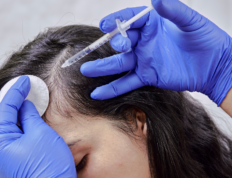
Innovative approaches such as platelet-rich plasma (PRP) therapy have also gained traction in recent years. PRP involves the injection of concentrated platelets derived from the patient’s own blood into the scalp, which can stimulate hair follicle regeneration and improve overall hair density. Many patients experience noticeable improvements after several sessions, making this a promising option for those who have not responded well to traditional treatments. For individuals seeking cutting-edge solutions, a visit to a reputable hair care clinic can provide access to these advanced therapies and personalised treatment plans.
Natural and Alternative Remedies
Alongside conventional medical treatments, a range of natural and alternative remedies can play an important role in managing hair thinning. Herbal supplements, such as saw palmetto and ginseng, have been used for centuries to support hair health by balancing hormones and reducing inflammation. These natural remedies can be particularly effective when used in conjunction with lifestyle modifications and dietary improvements. Many people find that integrating these alternatives into their daily routine provides a gentle yet effective means of maintaining hair density and promoting overall scalp health.
Alternative therapies such as acupuncture and aromatherapy have also shown potential in managing hair thinning. Acupuncture, for instance, is believed to improve blood circulation and stimulate the flow of energy throughout the body, which can have a positive impact on hair follicle health. Aromatherapy, using essential oils like rosemary and peppermint, may also help reduce stress and promote a healthy scalp environment. Individuals interested in exploring these options are often encouraged to seek advice from professionals at a trusted clinic for hair loss to ensure that these natural remedies are integrated safely and effectively into their treatment plan.
Lifestyle Modifications and Holistic Approaches
A holistic approach to preventing and treating hair thinning recognises that overall health and well-being are deeply intertwined with hair health. Lifestyle modifications that focus on reducing stress, improving diet, and promoting physical fitness can yield significant benefits for individuals experiencing hair thinning. Regular exercise, for example, helps to regulate hormones and improve blood circulation, ensuring that hair follicles receive the necessary nutrients to thrive. Incorporating mindfulness practices such as meditation or yoga can further help to mitigate stress, which is a known trigger for hair thinning.
In addition to these general lifestyle improvements, maintaining a regular hair care routine is essential. This includes using gentle hair products, avoiding excessive heat styling, and protecting the hair from environmental pollutants. Many individuals find that a visit to a reputable clinic for hair loss provides not only professional advice but also access to specialised treatments that complement their holistic care routine. By integrating medical treatments with lifestyle modifications, patients can create a robust defence against the factors that contribute to hair thinning, ultimately achieving a healthier, more resilient head of hair.
Advanced Technological Interventions
Recent advancements in technology have revolutionised the field of hair restoration, offering innovative solutions that address hair thinning at a cellular level. Low-level laser therapy (LLLT) is one such intervention that has garnered widespread attention. This non-invasive treatment utilises specific wavelengths of light to stimulate hair follicles, promoting increased blood flow and cellular regeneration. The technology behind LLLT has been refined to deliver targeted energy to the scalp, which can help in reversing the thinning process and encouraging new hair growth.
Another promising technological intervention is the use of digital imaging and scalp analysis. These tools allow specialists to conduct detailed assessments of hair density and follicular health, enabling them to develop highly customised treatment plans. For those interested in exploring these cutting-edge options, a consultation at a recognised clinic for hair growth can provide access to the latest diagnostic tools and therapeutic technologies. Such advanced interventions not only improve the precision of treatments but also offer patients a clearer understanding of their condition, fostering a more proactive approach to managing hair thinning.
The Role of Nutritional Support
Nutritional support plays a vital role in preventing and managing hair thinning. A balanced diet that is rich in essential vitamins and minerals can help fortify hair follicles and promote robust hair growth. Key nutrients such as iron, zinc, and vitamins A, C, and E are instrumental in maintaining healthy hair, and deficiencies in these nutrients are often linked to increased hair thinning. Integrating nutrient-dense foods into the daily diet can provide the necessary support for hair health, complementing both medical and natural treatments.
In some cases, dietary supplements may be recommended to address specific nutritional deficiencies that contribute to hair thinning. For instance, biotin supplements have gained popularity for their purported benefits in strengthening hair and preventing breakage. However, it is crucial to approach supplementation under the guidance of a healthcare professional to ensure proper dosage and compatibility with other treatments. Individuals who are proactive about their nutritional health often consult a trusted hair care doctor to receive personalised dietary advice and support tailored to their unique hair restoration needs.
Psychological and Emotional Impact
Hair thinning can have a profound psychological and emotional impact on those affected, influencing self-esteem and overall quality of life. The emotional toll of witnessing gradual hair loss can lead to feelings of anxiety, depression, and social withdrawal. Recognising the psychological dimensions of hair thinning is essential for developing a comprehensive treatment strategy that addresses both the physical and emotional aspects of the condition. Counselling, support groups, and stress management techniques can play an important role in helping individuals cope with the emotional challenges associated with hair loss.
Integrating psychological support into the treatment plan can enhance the overall effectiveness of interventions for hair thinning. Patients who receive holistic care that acknowledges both their physical and emotional needs tend to experience more sustainable outcomes. Many individuals benefit from a multidisciplinary approach, where consultations at a leading hair loss clinic are complemented by sessions with mental health professionals. This balanced approach not only fosters resilience but also ensures that patients are supported throughout their journey towards improved hair health and renewed self-confidence.
Long-Term Management and Maintenance
Achieving and maintaining healthy hair is an ongoing process that extends well beyond the initial treatment phase. Long-term management and maintenance are critical components of any successful hair thinning intervention. Regular follow-up consultations, periodic scalp assessments, and ongoing adjustments to the treatment plan are necessary to ensure that hair health is preserved over time. By adopting a proactive approach, individuals can detect early signs of further thinning and implement corrective measures promptly, thereby safeguarding their progress.
Continued care at a dedicated hair care clinic is often recommended as part of a comprehensive long-term management strategy. These clinics provide not only the latest treatments and technologies but also expert advice on maintaining a healthy hair care routine. Furthermore, patients are encouraged to remain vigilant about lifestyle factors that contribute to hair health, such as diet, stress management, and regular exercise. By integrating these elements into their daily lives, individuals can sustain the gains achieved through initial treatments and enjoy long-lasting, resilient hair.
Conclusion
In summary, addressing hair thinning requires a multifaceted approach that encompasses prevention, treatment, and long-term maintenance. From understanding the underlying causes and risk factors to exploring advanced medical, natural, and technological interventions, every aspect of the process plays a crucial role in restoring and preserving hair health. With a focus on personalised care and a commitment to holistic wellness, modern solutions for hair thinning offer hope and tangible results for those facing this challenging condition.
Through careful diagnosis, tailored treatment plans, and ongoing support, individuals can achieve significant improvements in hair density and overall scalp health. Many find that combining medical interventions with lifestyle modifications and nutritional support creates a powerful synergy that not only halts further thinning but also stimulates natural regrowth. For those seeking expert guidance, consulting a dedicated clinic for hair loss can provide the comprehensive care necessary to navigate the complexities of hair thinning effectively.
Ultimately, the journey to healthier hair is both a scientific and personal endeavour, requiring dedication, informed decision-making, and professional support. As research continues to advance and new treatments emerge, the prospects for those affected by hair thinning are brighter than ever. With the right blend of expert care, advanced treatments, and lifestyle modifications, it is possible to not only prevent further hair loss but also enjoy a fuller, more resilient head of hair well into the future.